The Chen Group
About the Group
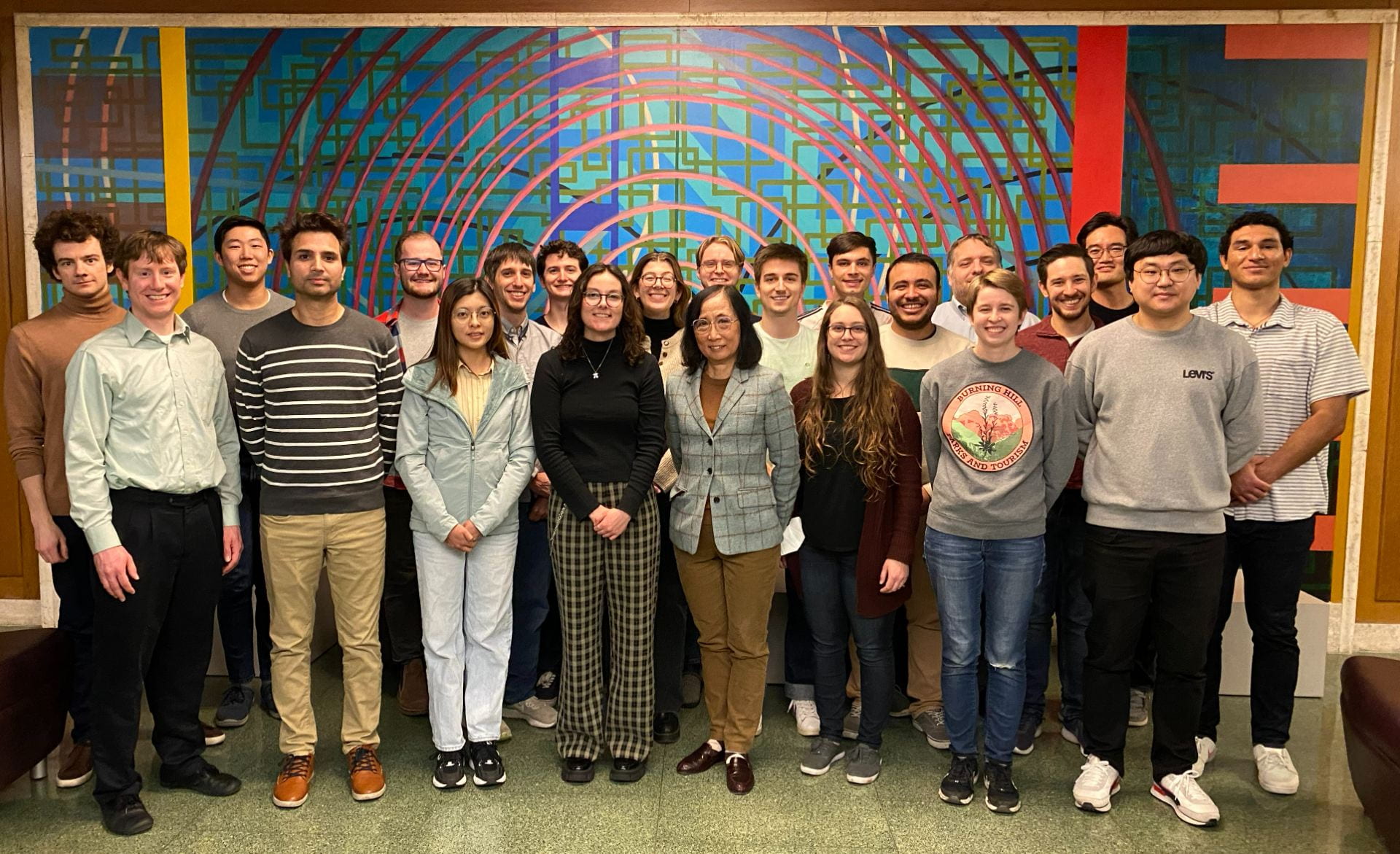
We are a research group in the Department of Chemistry at Northwestern University with facilities at both Northwestern and Argonne National Laboratory. Our members come from a variety of training backgrounds (chemists, physicists, biologists, engineers and more). Prof. Lin Chen is the principle investigator, leading a team of postdocs and grad students since 2008. Go to ‘People’ to meet our group members.
Research
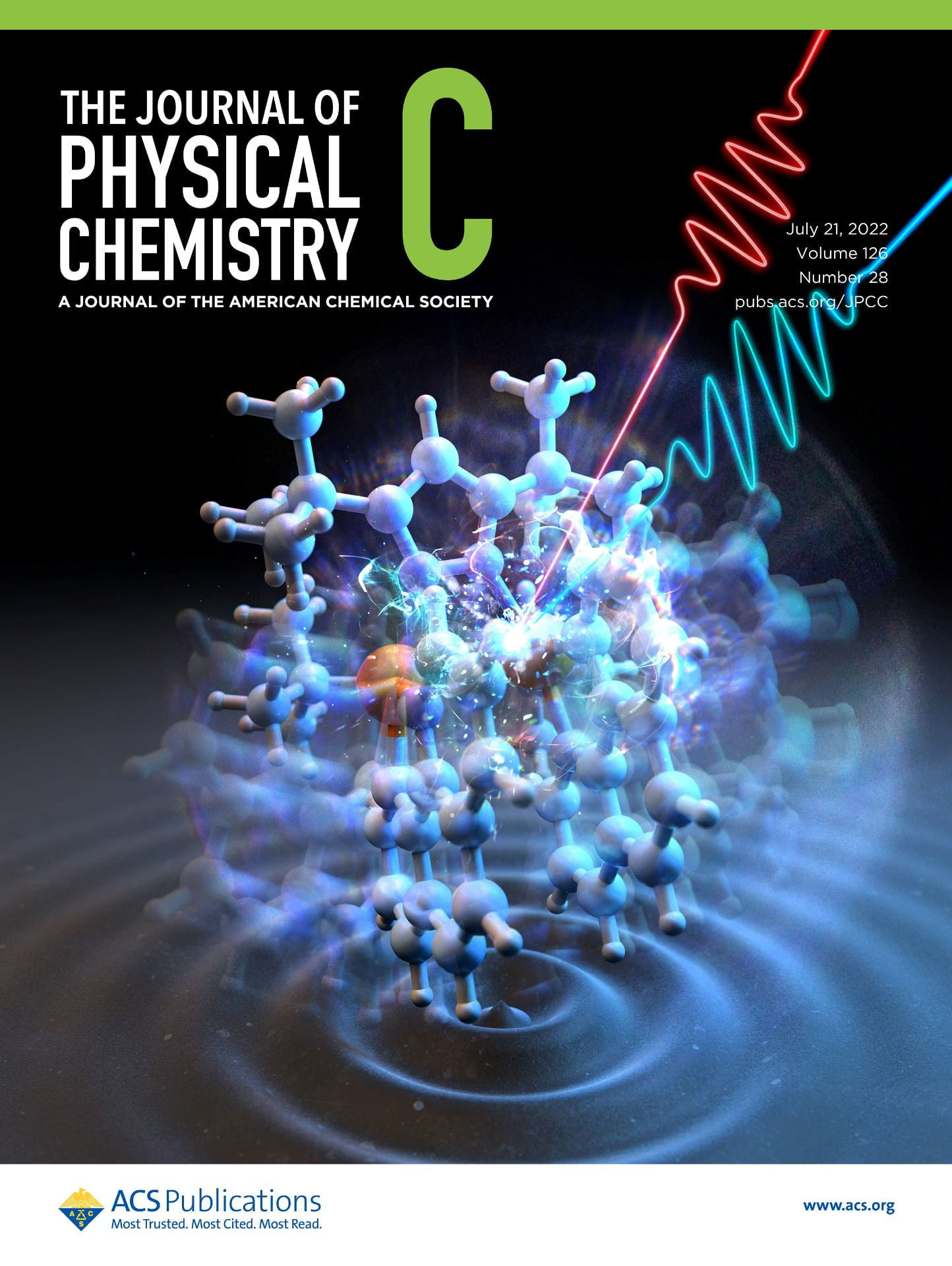
We study fundamental light-matter interactions in transition metal complexes, conjugated organic molecules, inorganic/organic nanostructures, and biological molecules in condensed phases, interfaces, and hybrid systems. We use ultrafast nonlinear spectroscopy, x-ray spectroscopy and scattering to follow the light-matter interactions and to understand correlations of structures, energetics, and dynamics of electrons and atoms in photochemical reactions. We carry out interdisciplinary collaborations with synthetic chemists and theorists in our studies to gain comprehensive understanding of photochemical, photophysical, and photobiological reactions. Check out the ‘Research’ and ‘Facilities’ pages to learn more.
Electron Processes in Solar Energy Conversion Materials

Effects of Coherent Electron and Nuclear Motions in Photochemistry
Structural Dynamics in Biology

Our Funding
